14.04-16.05.2026
Artrovert Gallery, Tallinn, Estonia
Curator: Aleksander Metsamärt
Graphic design: Rainer Kasekivi
Photography: Alana Proosa
The exhibition is supported by the Cultural Endowment of Estonia
Opening drinks from Põhjala Brewery
The soul’s basement may not be a pleasant place. People have used many different systems to interpret dreams. Yet even with shared motifs, a person ultimately remains somehow alone with what they have seen. A theatrical performance for oneself that takes on a faintly nonsensical flavor when one tries to explain it to someone else—the story turns into a sequence. The reality of a dream is, quite literally, beyond words. At the same time, telling a dream and the dream itself are very different things.
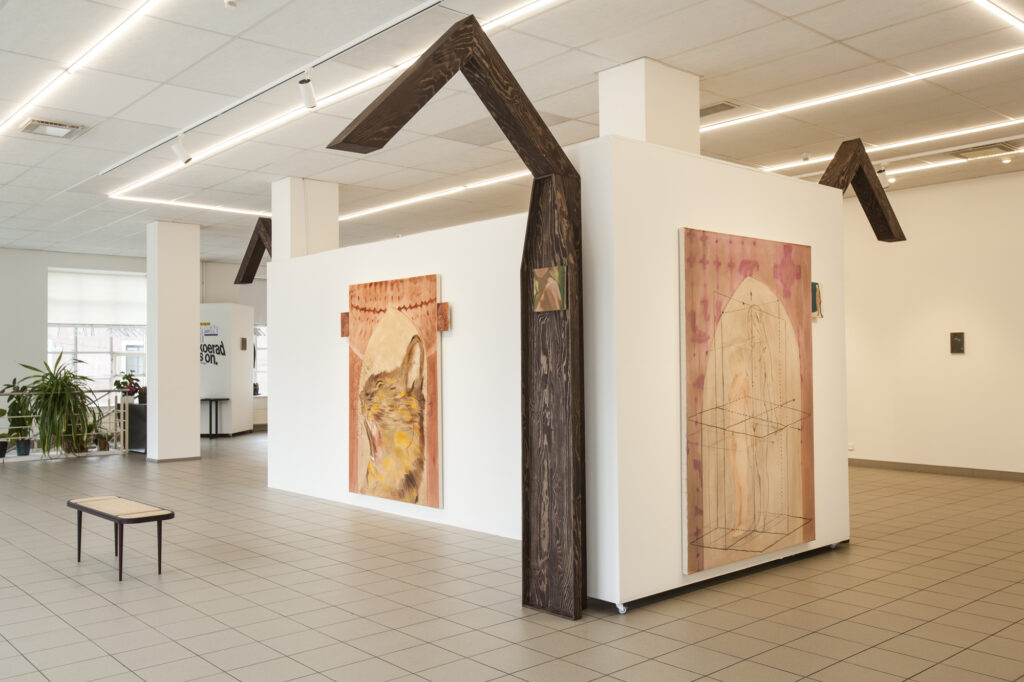
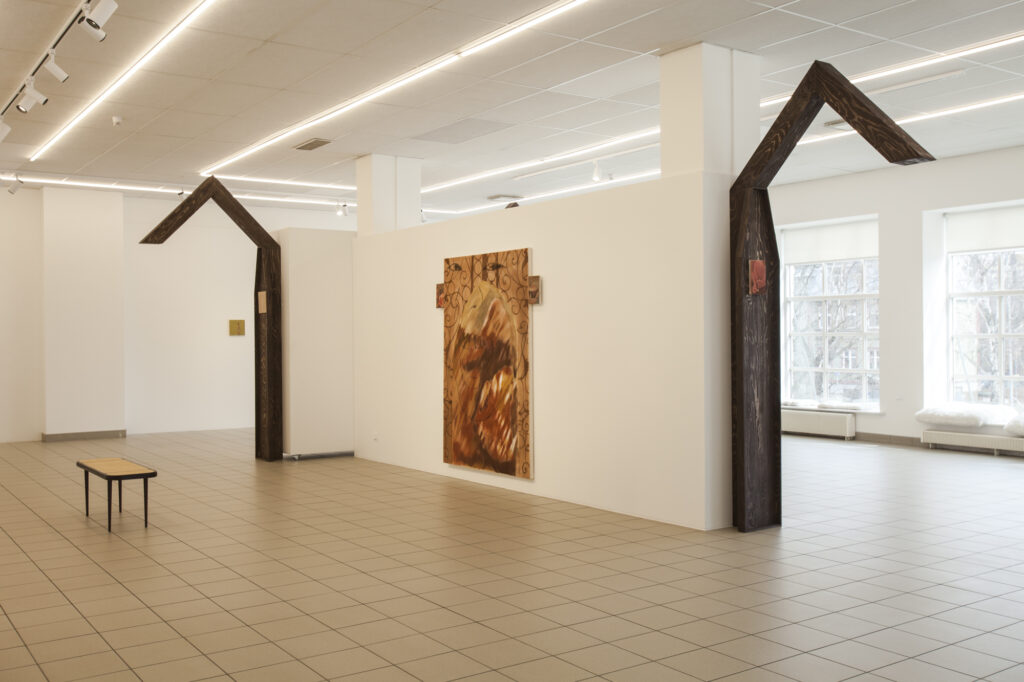
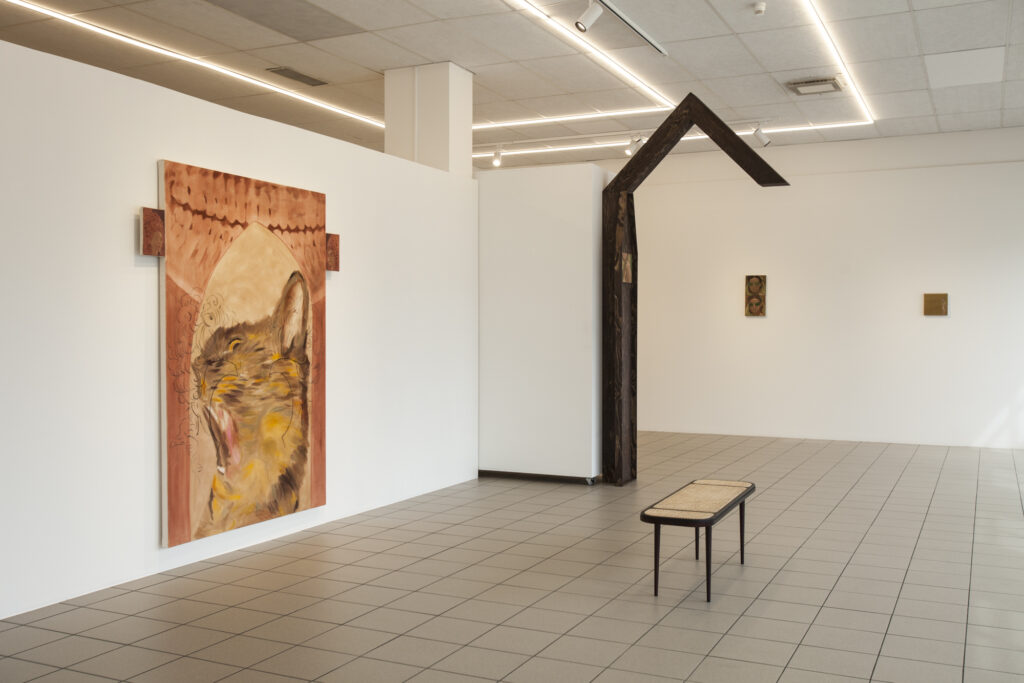
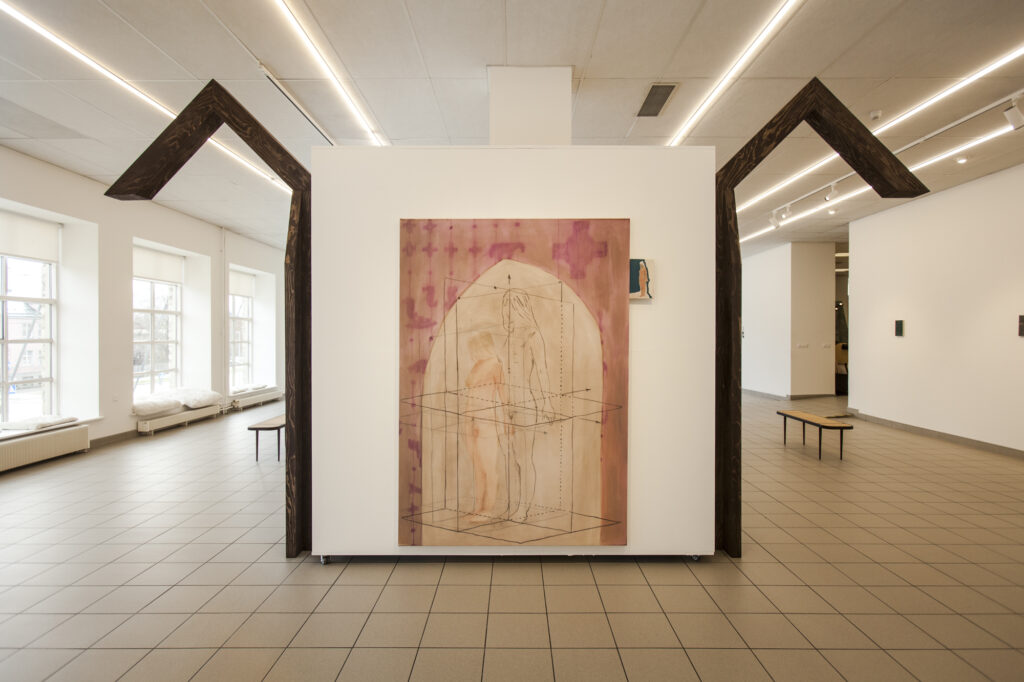
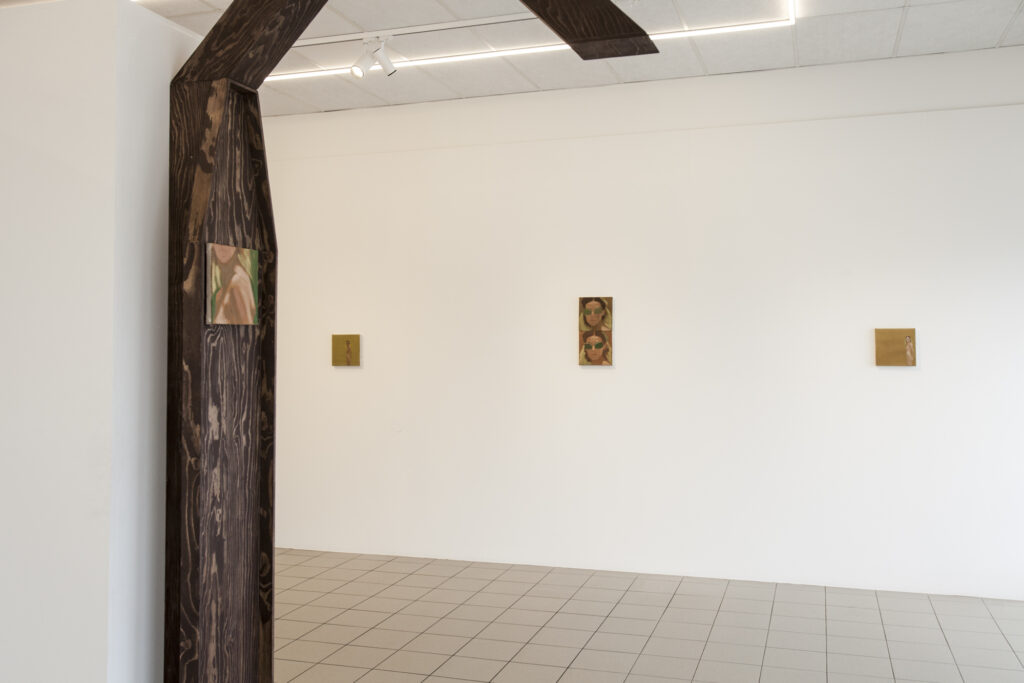
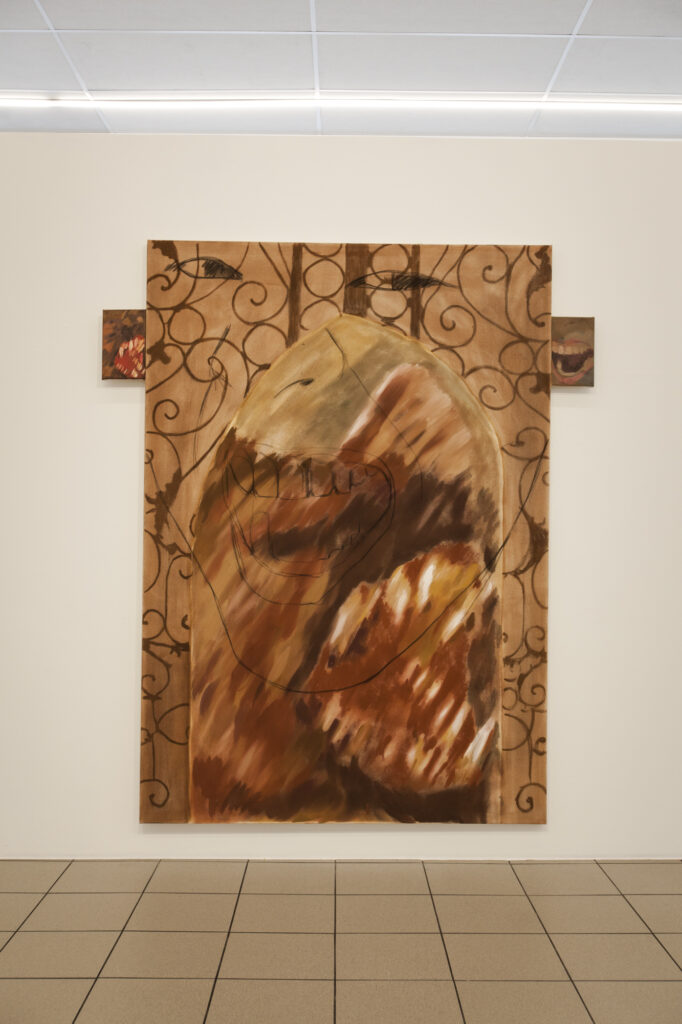
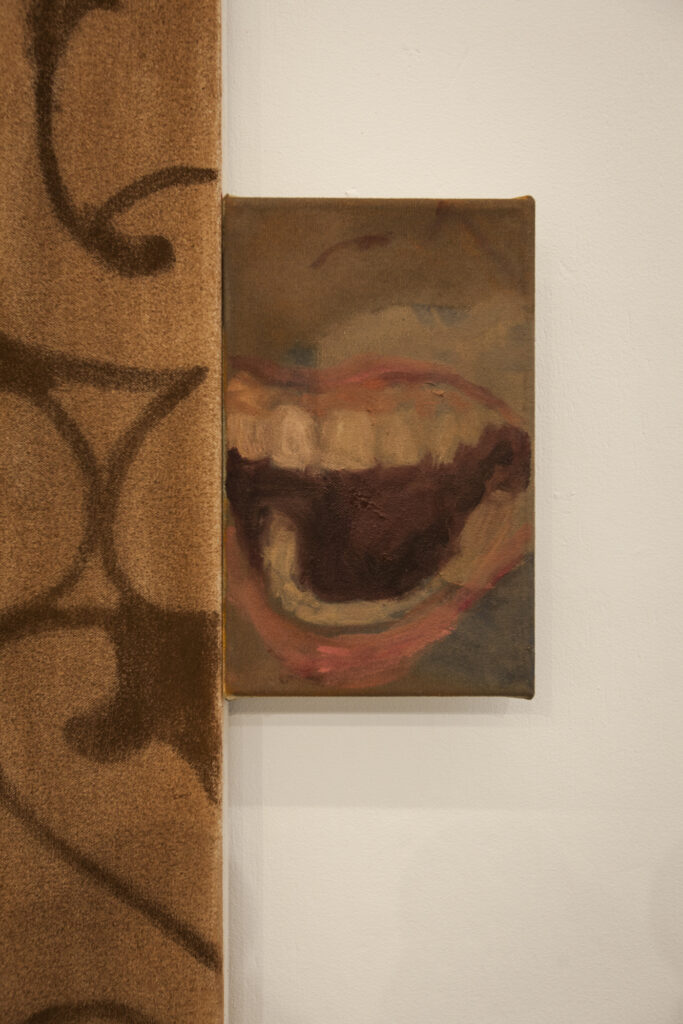
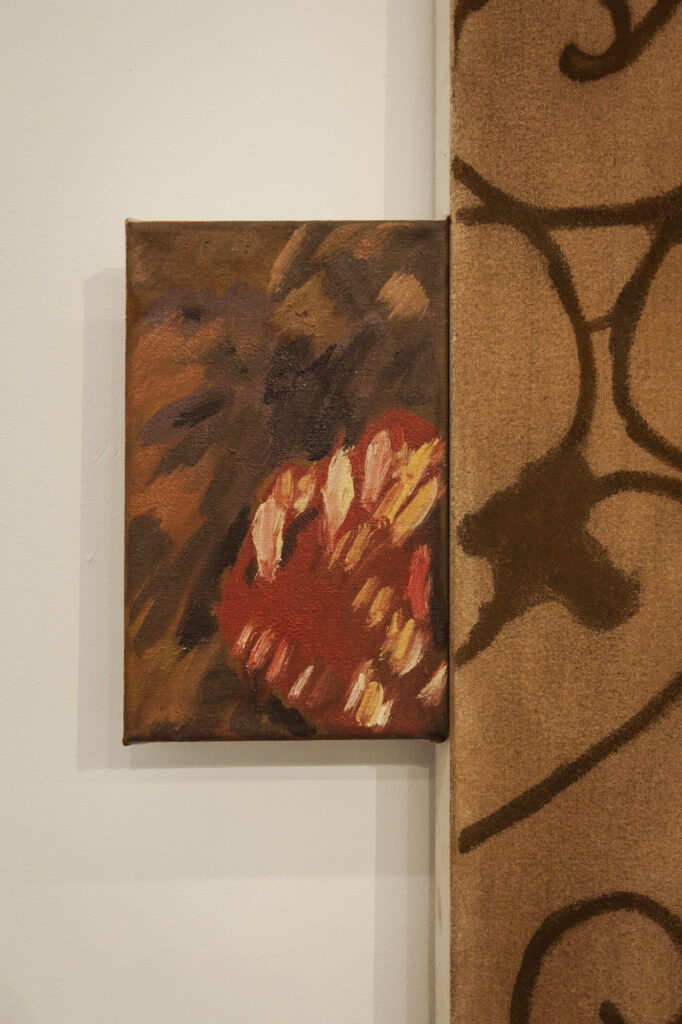
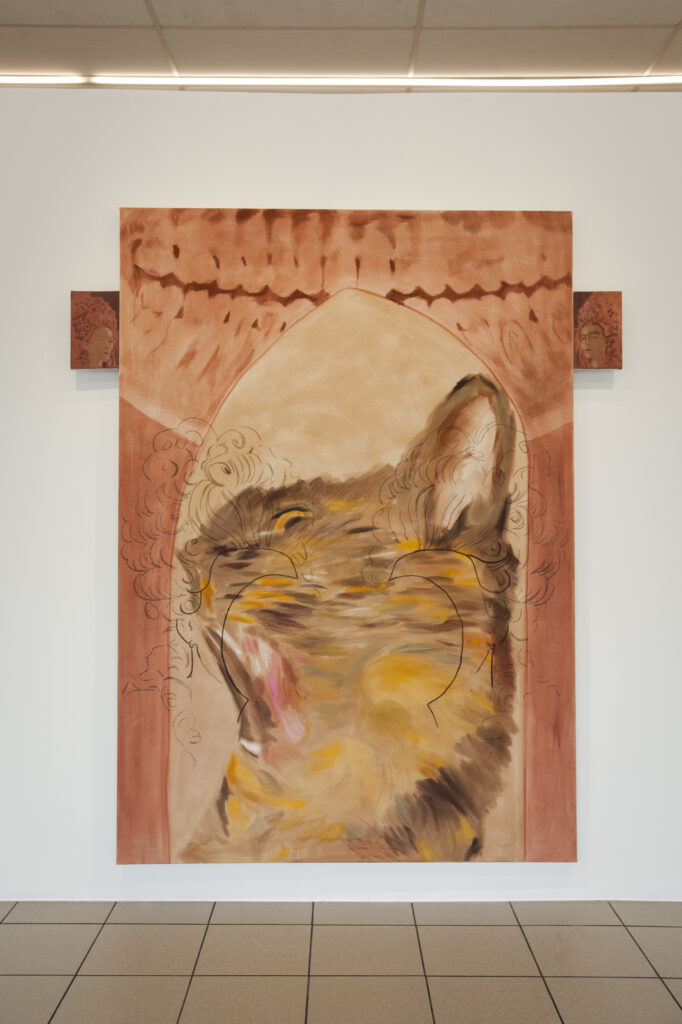
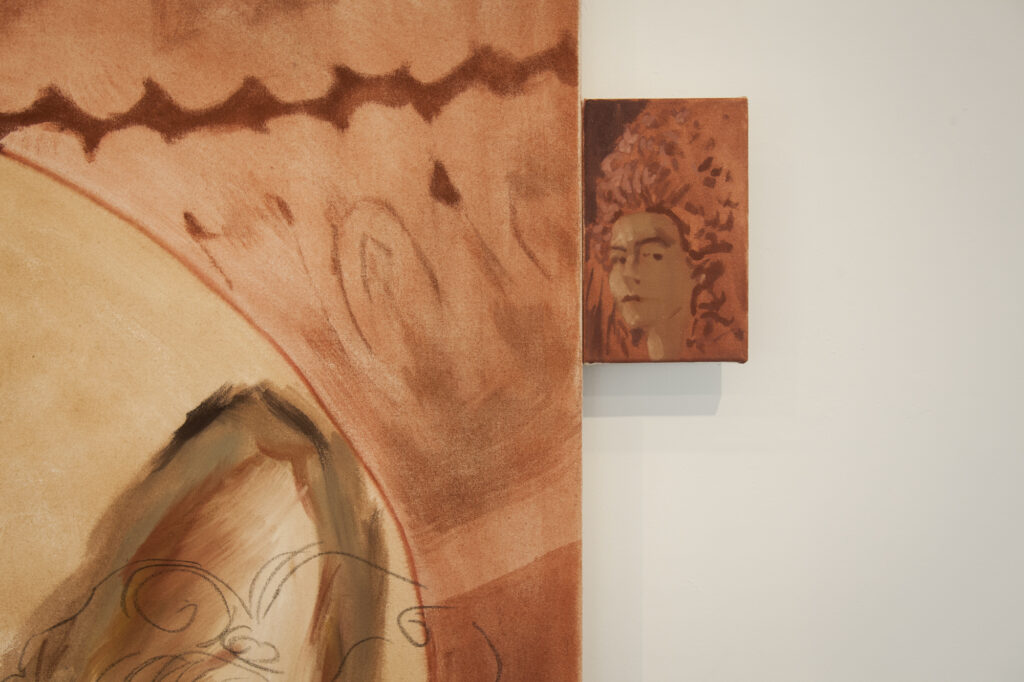
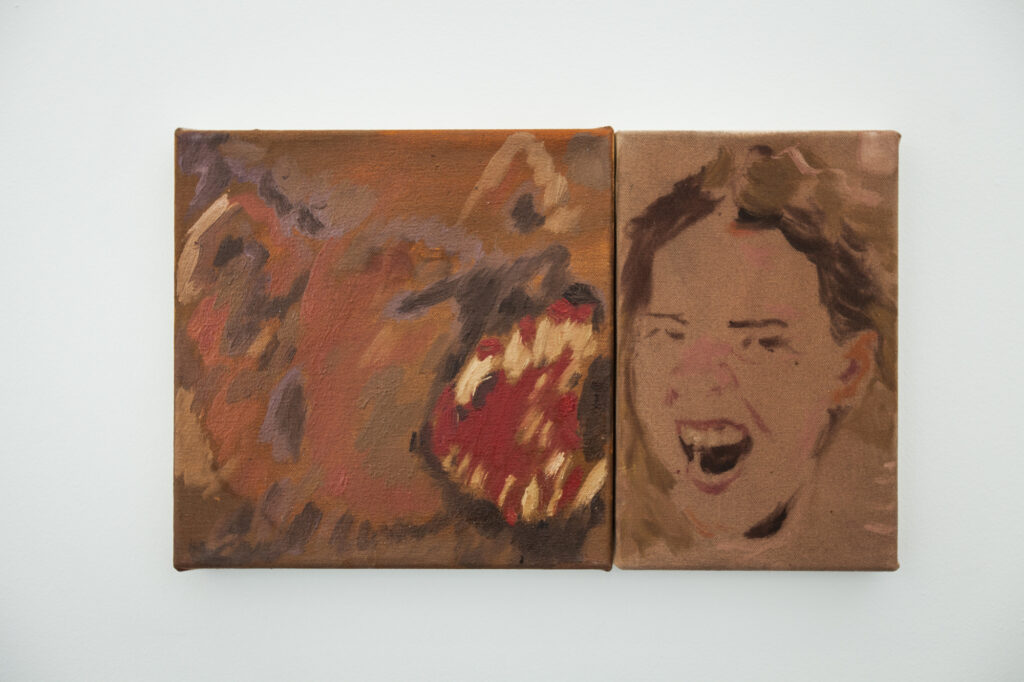
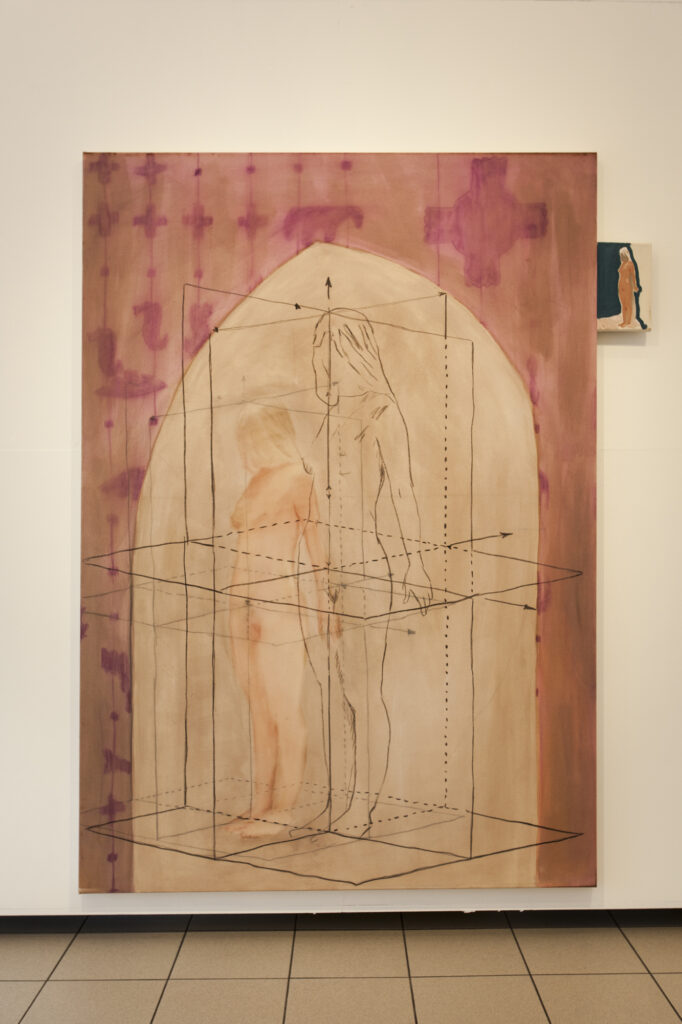
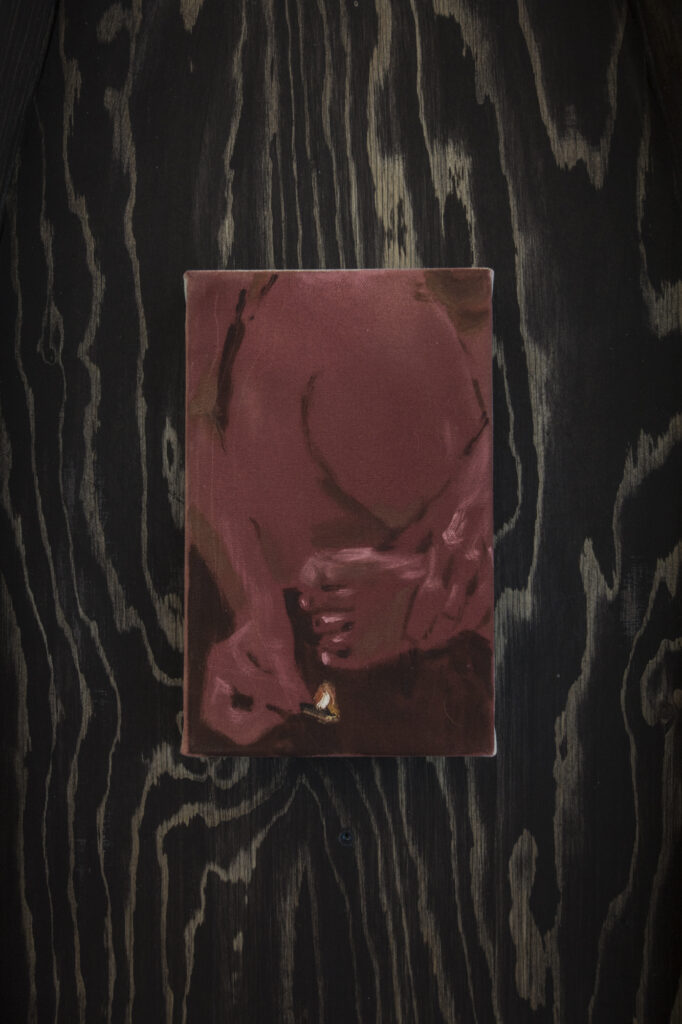
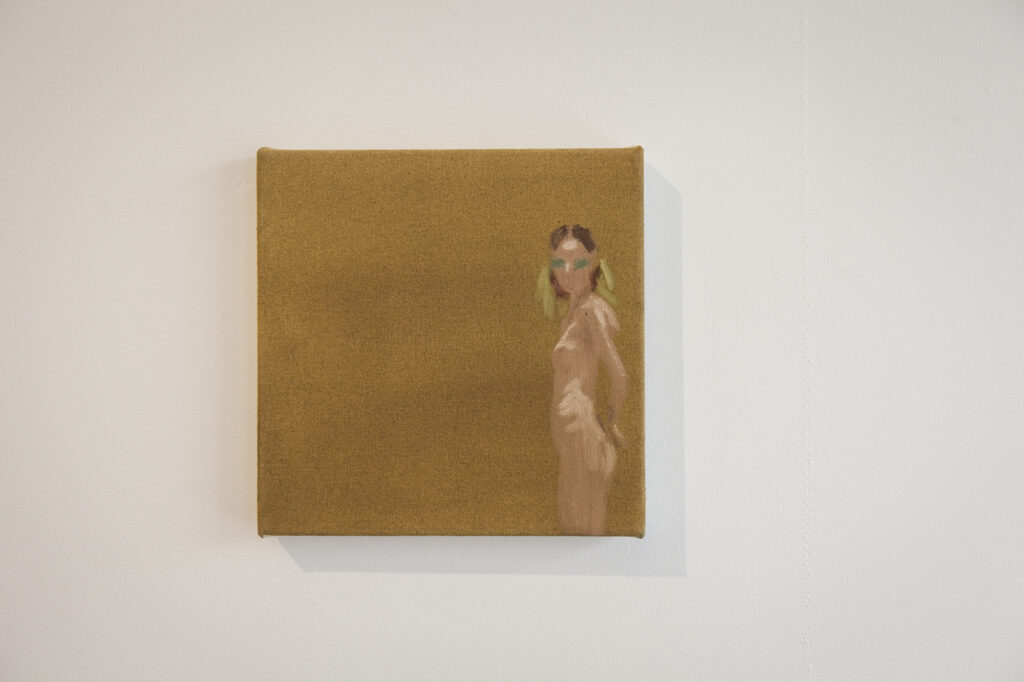
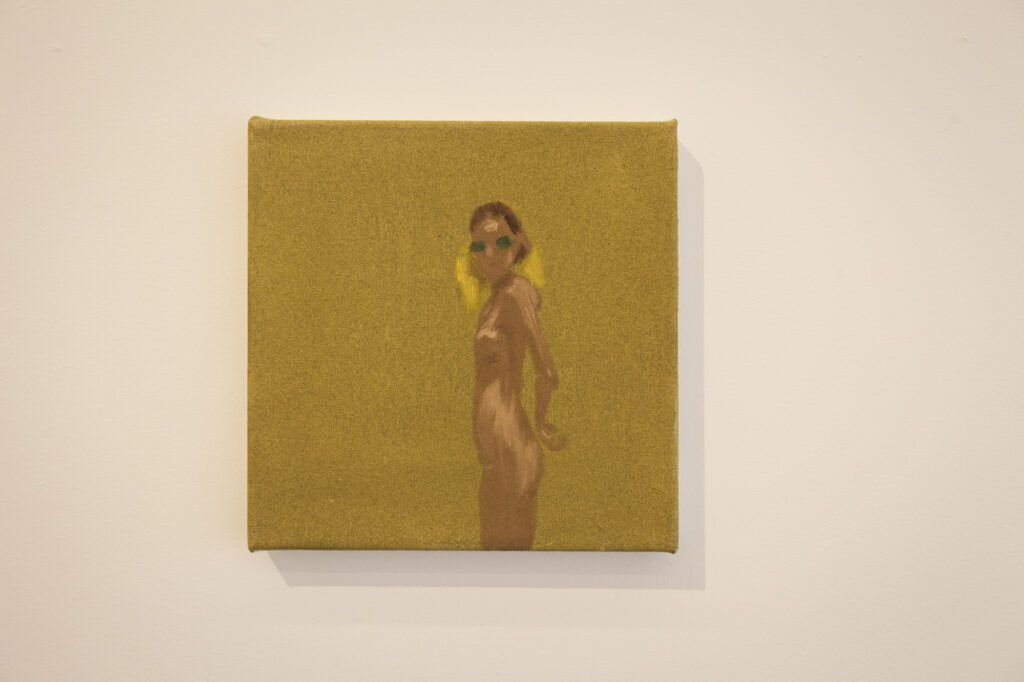
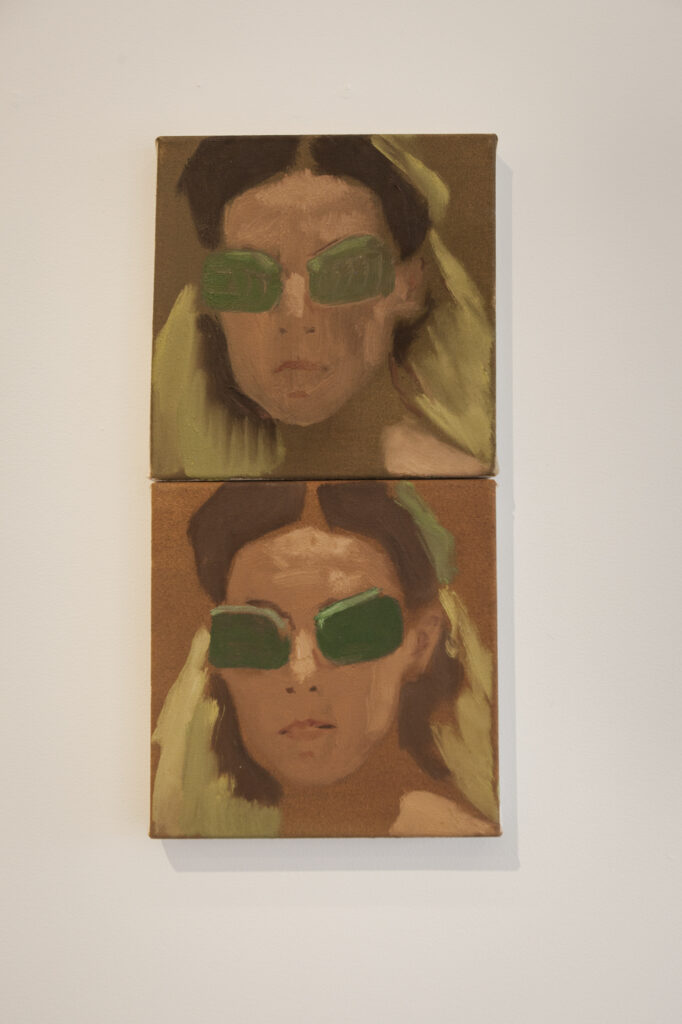
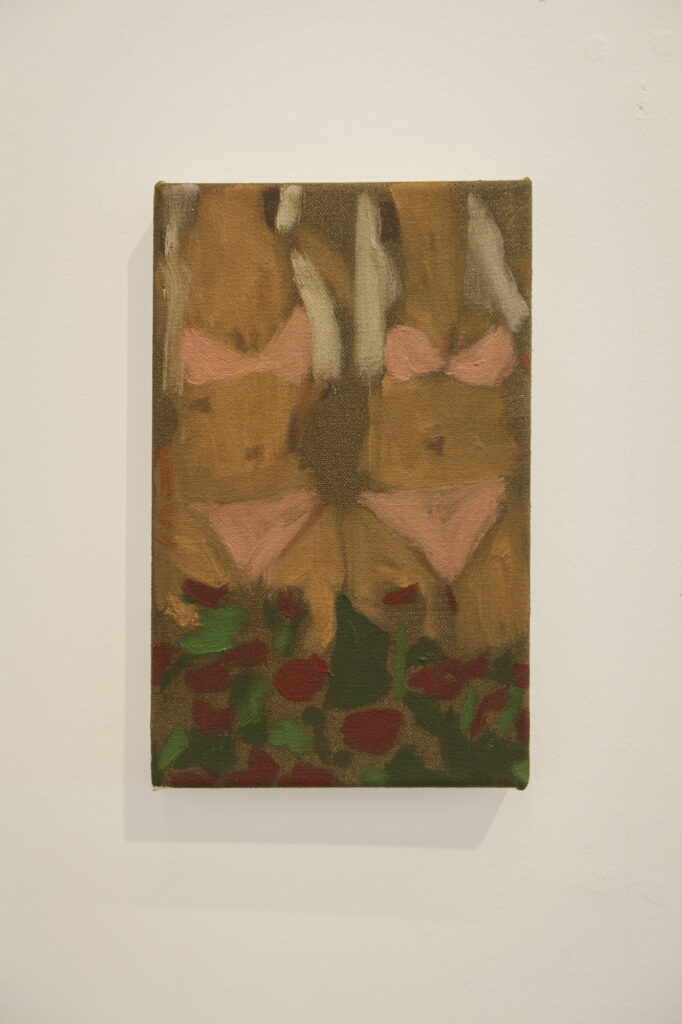
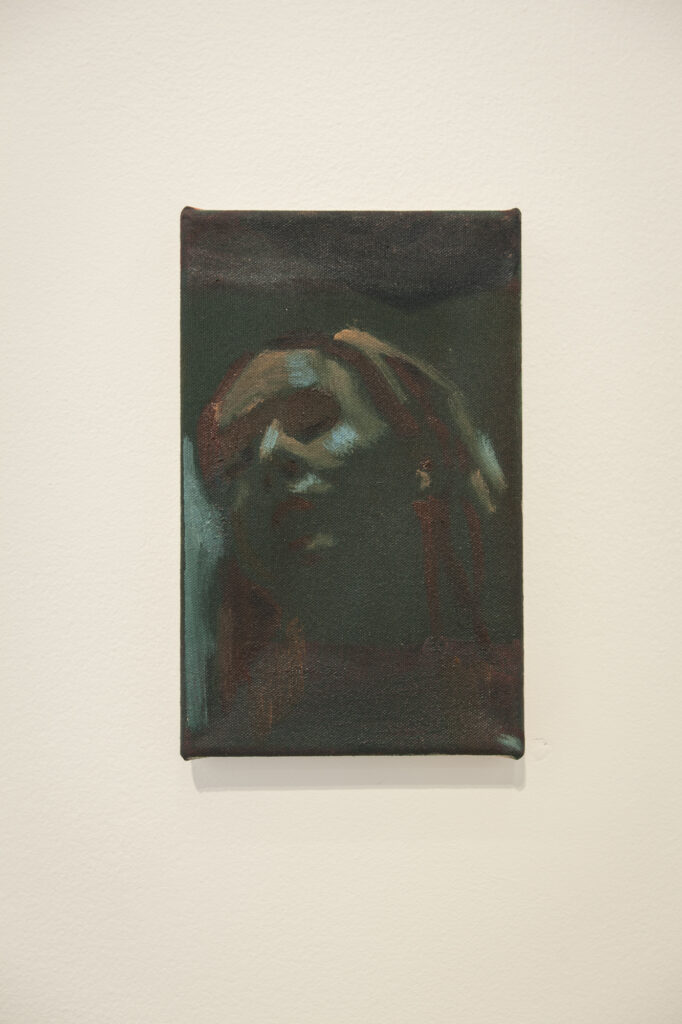
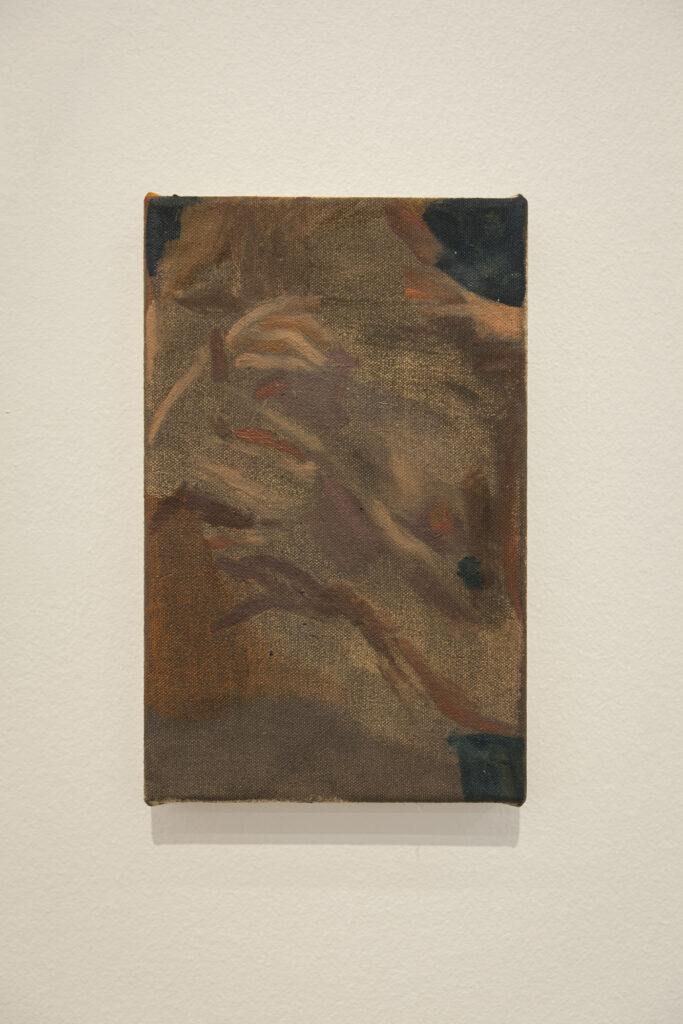
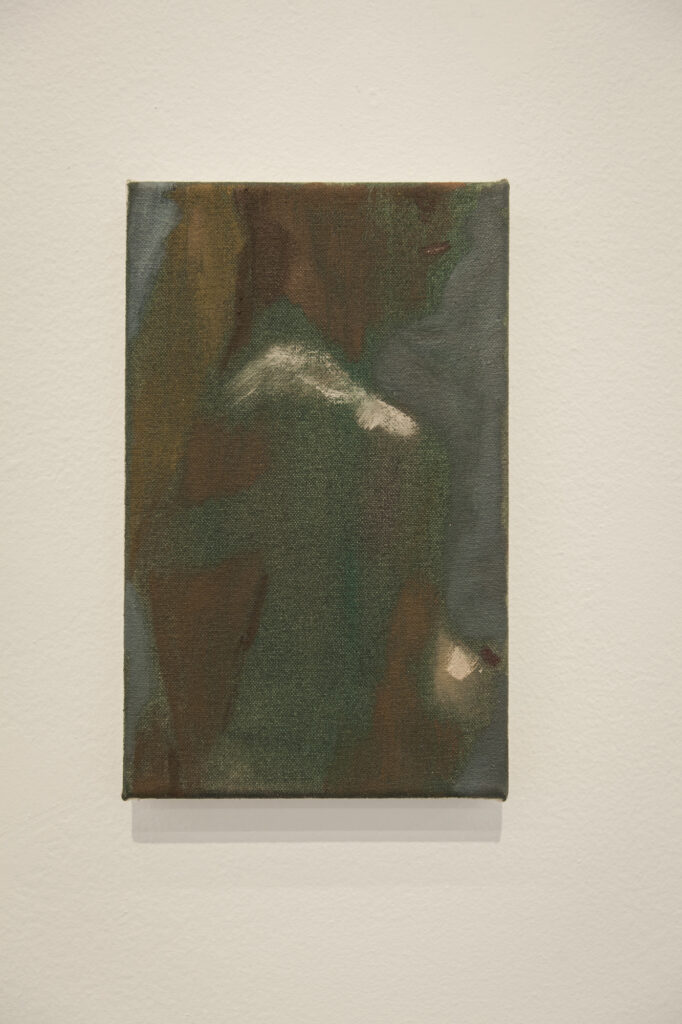
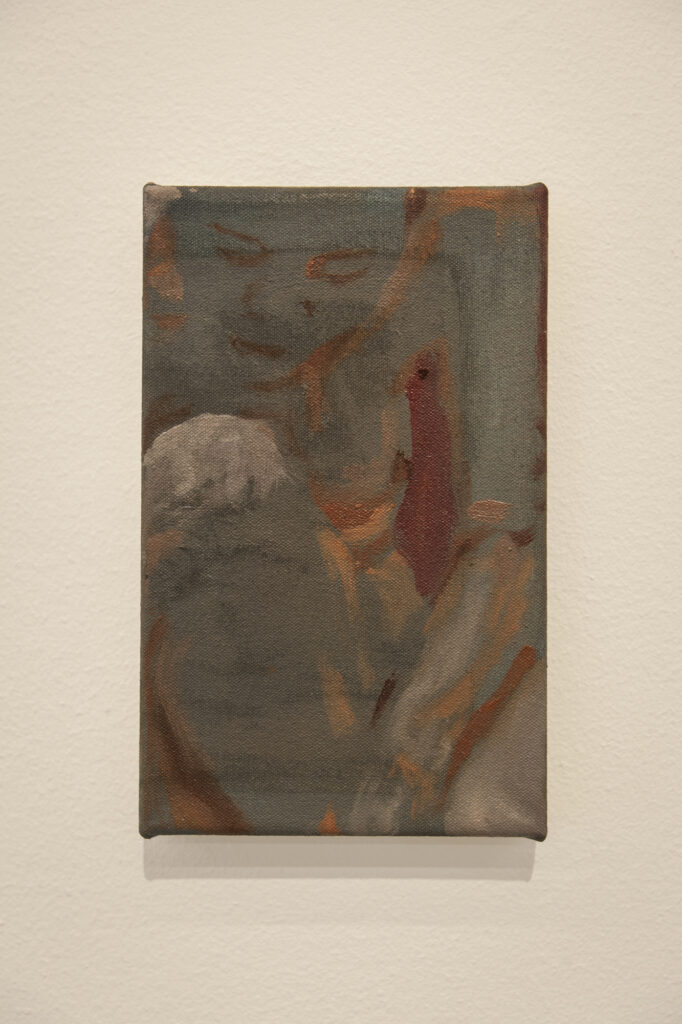
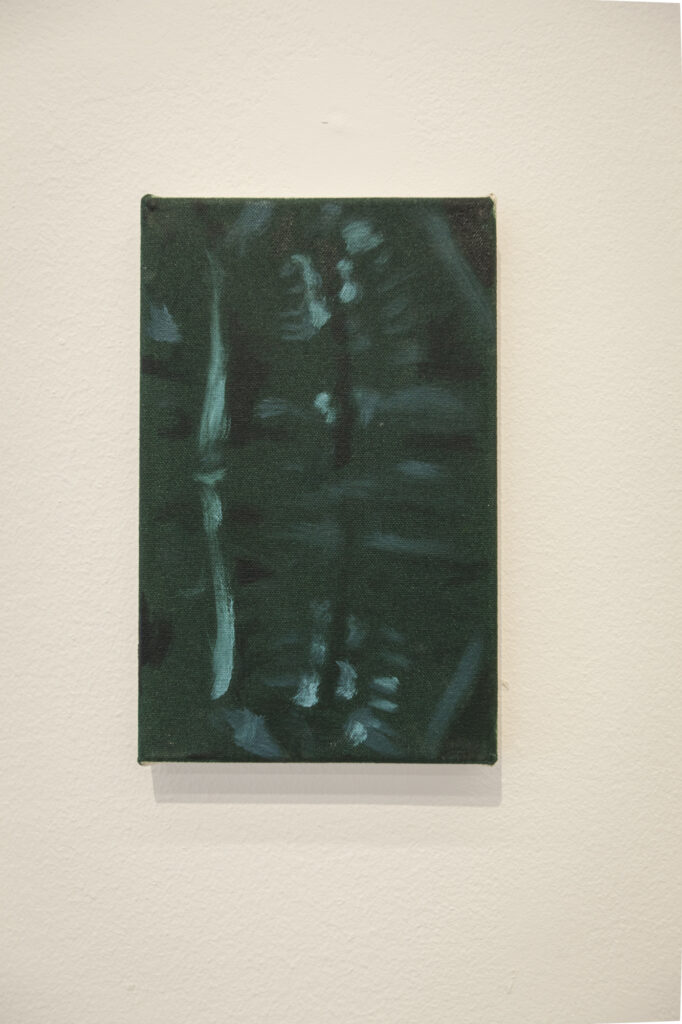
Marleen Suvi’s exhibition “and the good dogs are in the basement.” draws on dream motifs that appear to the artist as nightmares. These motifs repeat night after night—and, truth be told, they are quite distressing. As a painter, Suvi has approached this problem constructively, deciding to paint the motifs out of herself.
There are two ways to paint: into a corner, or out of oneself. Neither is an easy path. When painting oneself into a corner, the ideal lies at the point where the completion of the painting and reaching that corner happen simultaneously. In painting out of oneself, however, one must be able to carry oneself outward. One must catch both the moment when the painting is finished and the moment when some “self” or “instant” becomes insincere and no longer holds together. If we view a painting as a collection of movements on canvas, behind each stroke one might glimpse a person with their own self—this is true of every patch of color and every sensitive sheen.
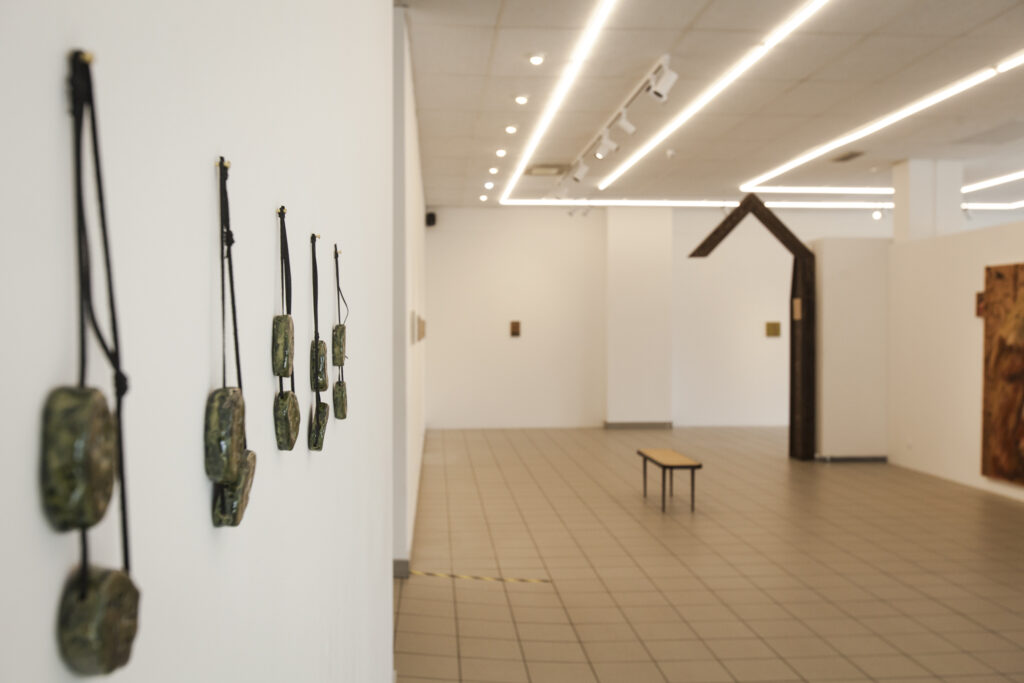
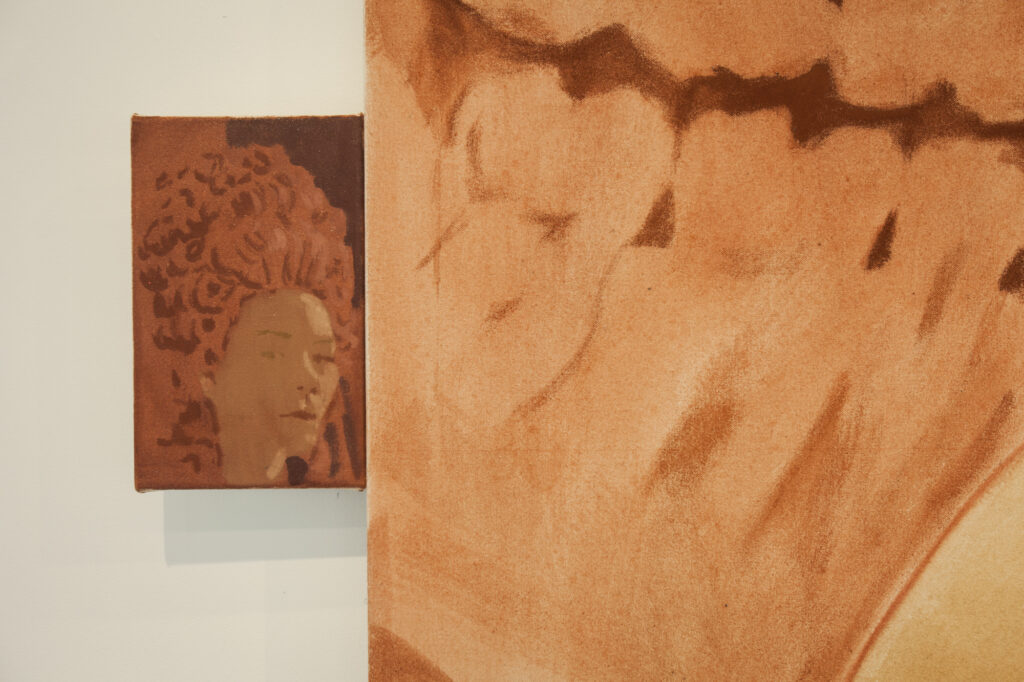
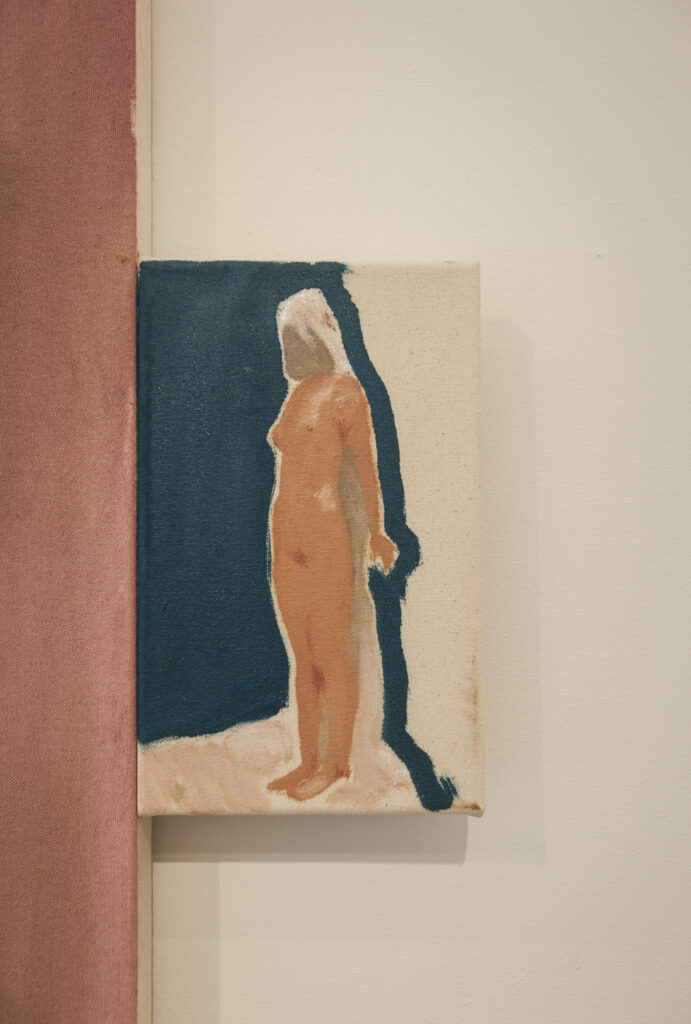
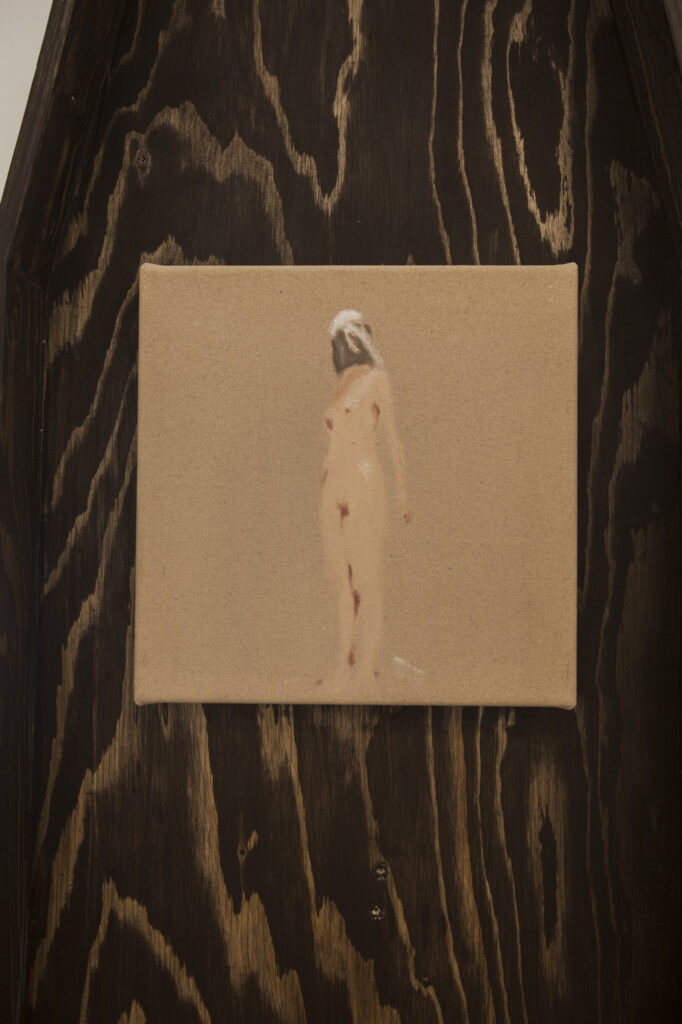
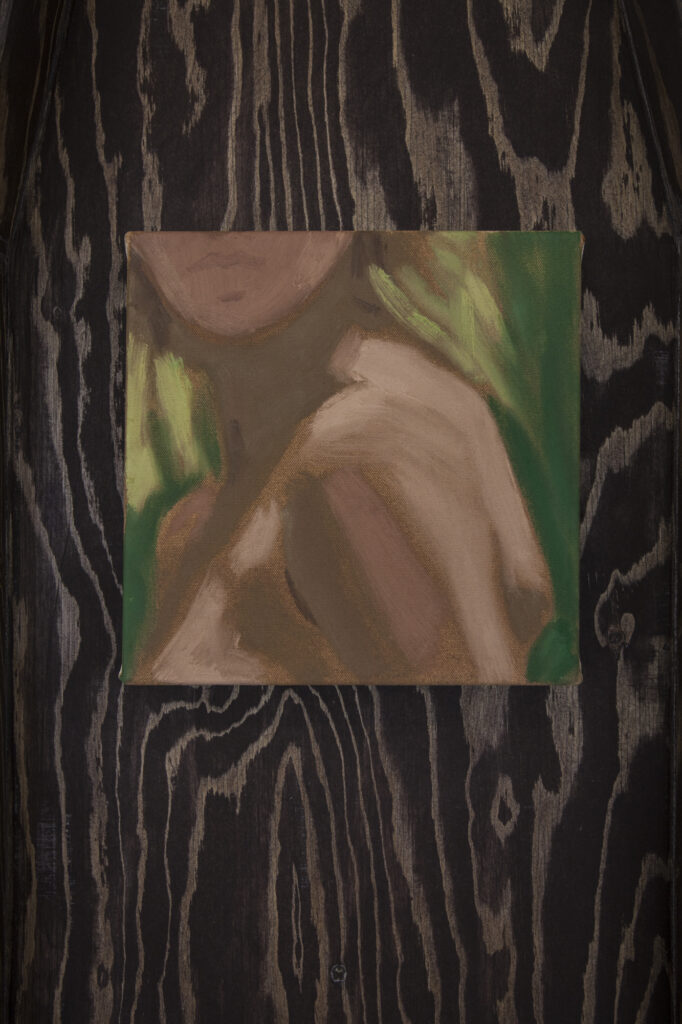
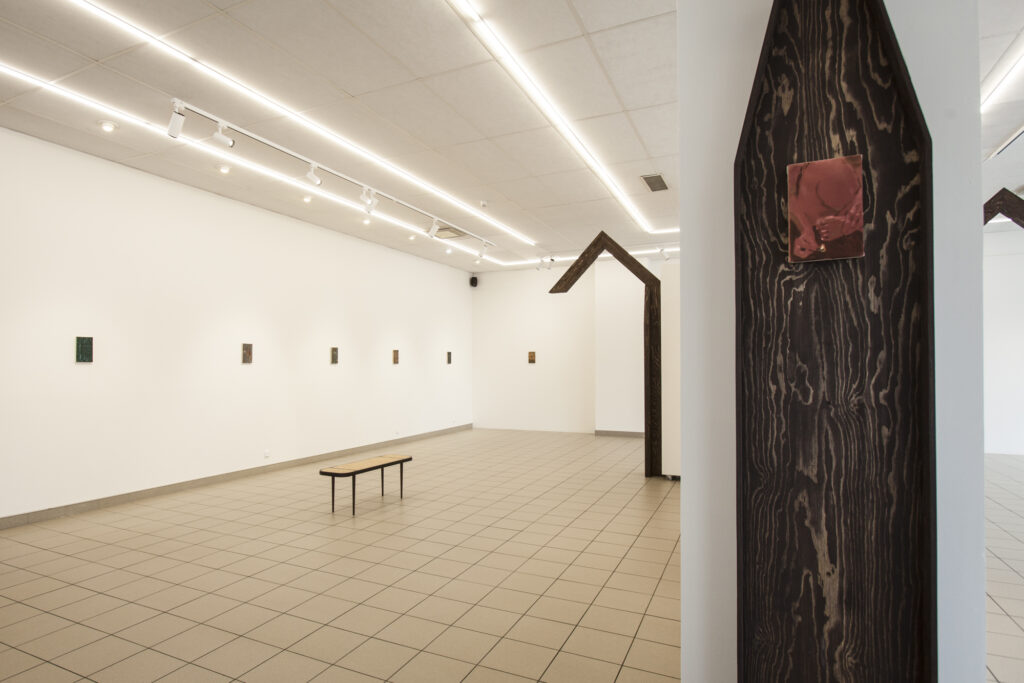
Suvi’s recent series of paintings balances at a complex intersection between the reality and the fragmentariness of dreams. In each individual painting, the artist has tried, through color and brushstroke, to capture a moment of the dream’s reality. Yet the small size of the canvases speaks volumes about the size of the fragment that can be drawn out of oneself. The decision to focus on self-portrait-like motifs in the exhibition space (the exhibition continues in the artist’s moving boxes in the adjacent room) suggests that we are alone with our own horrors. Dealing with them is something we must do ourselves.